
TV & MOVIES
Behind the Lens: The Ethics and Artistry of Film Adaptations of Memoirs and Autobiographies


Behind the Lens: The Ethics and Artistry of Film Adaptations of Memoirs and Autobiographies
Memoirs and autobiographies have always been a source of inspiration for filmmakers. The real-life stories of individuals can be captivating, emotional, and relatable. And when those stories are brought to the big screen, they can have a powerful impact on audiences around the world.
But adapting a memoir or autobiography into a film is no easy task. Filmmakers must balance the need to stay true to the source material while also making a compelling movie that will resonate with viewers. Some adaptations have been successful, while others have fallen flat. In this article, we will explore some of the most notable film adaptations of memoirs and autobiographies and examine what makes them successful.
The challenge of adapting memoirs and autobiographies
When a filmmaker decides to adapt a memoir or autobiography into a film, they face several challenges. The first challenge is to capture the essence of the story and the voice of the author. Memoirs and autobiographies are personal accounts of real-life experiences, and the author’s voice is an essential element of the story.
- “The autobiographical element in a work of art is always a betrayal. You are stealing someone else’s life.” – Julian Barnes
Filmmakers must also decide which parts of the story to include in the film and which to leave out. Memoirs and autobiographies often cover a long period of time, and it can be challenging to condense that into a two-hour movie. Filmmakers must make choices about what to focus on and what to cut.
Another challenge is to make the story cinematic. Memoirs and autobiographies are often introspective and reflective, which can be difficult to translate onto the big screen. Filmmakers must find a way to make the story visually interesting and engaging.
But when filmmakers are successful in adapting memoirs and autobiographies into films, the results can be incredible. Here are some of the most successful film adaptations of memoirs and autobiographies.
“The Pursuit of Happyness” (2006)
“The Pursuit of Happyness” is based on the memoir of the same name by Chris Gardner. The film stars Will Smith as Gardner, a struggling salesman who becomes homeless with his young son. The story follows Gardner’s journey as he tries to provide for his son and build a better life for himself.
One of the reasons “The Pursuit of Happyness” is so successful is that it stays true to the emotional core of Gardner’s story. The film captures the struggles and hardships Gardner faced while also showing the love and dedication he had for his son. Will Smith’s performance is also a standout, and he brings a depth and vulnerability to the role that makes the character feel real and relatable.
- “Adapting a book into a movie is like turning a steamboat into a battleship: some things are gained and some are lost.” – Larry McMurtry
“The Diary of a Teenage Girl” (2015)
“The Diary of a Teenage Girl” is based on the graphic novel of the same name by Phoebe Gloeckner. The film follows 15-year-old Minnie as she navigates her way through adolescence in 1970s San Francisco. The story is told from Minnie’s perspective, and the film explores themes of sexuality, identity, and coming of age.
One of the reasons “The Diary of a Teenage Girl” is so successful is that it captures the spirit and energy of the graphic novel. The film uses animation and visual effects to bring Minnie’s inner thoughts and fantasies to life, making the story feel vibrant and alive. The performances are also excellent, particularly Bel Powley as Minnie, who brings a raw and honest portrayal of teenage angst and insecurity.
- “In order for a film adaptation to be successful, it must capture the heart and soul of the story, as well as the voice of the author.” – Quentin Tarantino
“The Wolf of Wall Street” (2013)
“The Wolf of Wall Street” is based on the memoir of the same name by Jordan Belfort. The film stars Leonardo DiCaprio as Belfort, a stockbroker who rises to power and wealth in the 1990s but is eventually brought down by his own greed and corruption.
One of the reasons “The Wolf of Wall Street” is so successful is its unapologetic portrayal of Belfort’s excess and debauchery. The film is fast-paced, frenetic, and unrelenting, capturing the hedonistic lifestyle of the stockbroker and his colleagues. DiCaprio’s performance is also a standout, and he brings a manic energy to the role that makes the character both charismatic and repulsive.
“The Glass Castle” (2017)
“The Glass Castle” is based on the memoir of the same name by Jeannette Walls. The film stars Brie Larson as Walls, a successful journalist who reflects on her unconventional upbringing with her parents, who were nomadic and struggled with alcoholism and poverty.
One of the reasons “The Glass Castle” is so successful is that it captures the complex dynamics of Walls’ family. The film explores themes of love, loyalty, and forgiveness, while also depicting the dysfunction and abuse that Walls and her siblings experienced. Brie Larson’s performance is also excellent, and she brings a vulnerability and sensitivity to the role that makes the character feel authentic and relatable.
“Wild” (2014)
“Wild” is based on the memoir “Wild: From Lost to Found on the Pacific Crest Trail” by Cheryl Strayed. The film stars Reese Witherspoon as Strayed, a woman who sets out to hike the Pacific Crest Trail as a way of healing from the loss of her mother and the dissolution of her marriage.
One of the reasons “Wild” is so successful is its depiction of Strayed’s journey of self-discovery. The film captures the physical and emotional challenges she faces on the trail, while also exploring the memories and experiences that led her there. Witherspoon’s performance is also excellent, and she brings a depth and nuance to the role that makes the character feel both flawed and inspiring.
“12 Years a Slave” (2013)
“12 Years a Slave” is based on the memoir of the same name by Solomon Northup. The film stars Chiwetel Ejiofor as Northup, a free Black man who is kidnapped and sold into slavery in the 1840s.
One of the reasons “12 Years a Slave” is so successful is its unflinching portrayal of the brutality and inhumanity of slavery. The film does not shy away from the violence and abuse that Northup and other enslaved people experienced, making it a difficult but necessary watch. The performances are also excellent, particularly Ejiofor’s, who brings a quiet strength and resilience to the role.
- “A good adaptation is one that stays true to the spirit of the book, but also takes advantage of the unique qualities of film as a medium.” – John Green
Conclusion
Adapting memoirs and autobiographies into films is a challenging task, but when done successfully, it can result in powerful and moving movies. The best adaptations stay true to the essence of the story and the voice of the author, while also making the story cinematic and engaging. Whether it’s the unrelenting excess of “The Wolf of Wall Street” or the introspective journey of “Wild,” the films on this list capture the emotional core of their source material and provide a glimpse into the lives of real people.
Powered by SgAiSolution
Related Posts

Week 7 and Still Counting: How Hanuman Ansh Broke the Mould
Week 7 and Still Counting: How Hanuman Ansh Broke the Mould Studio CarryOnHarry Entertainment Desk | 22 September 2026 A…

Jewell R. Powell’s Holiday Film Launches Dual Distribution Strategy Targeting Congregations and Multiplexes
Balle Balle Radio™ Entertainment Desk Jewell R. Powell's second feature, A Christmas Journey, arrives in select theaters on November 7,…

Three Major Bollywood Stars Being Courted for Reimagined Race Franchise
Balle Balle Radio™ Entertainment Desk Ramesh Taurani's production company is reportedly negotiating with Aamir Khan, Sidharth Malhotra, and Tiger Shroff…

Monster: The Lizzie Borden Story Premieres on Netflix—Here’s When in Your Region
Balle Balle Radio™ Entertainment Desk The third installment of Netflix's "Monster" anthology, "Monster: The Lizzie Borden Story," comes to the…

Mirzapur Proves the Screen-to-Cinema Leap Can Work — But the Numbers Tell a More Complicated Story
Balle Balle Radio™ Entertainment Desk The web-to-film adaptation of Mirzapur has opened strongly at the box office, but its real…

Bajpayee Transforms Into Gandhi in Sudhir Mishra’s Next
Bajpayee Transforms Into Gandhi in Sudhir Mishra's Next Studio CarryOnHarry Entertainment Desk | 6 September 2026 A Historic Casting Decision…

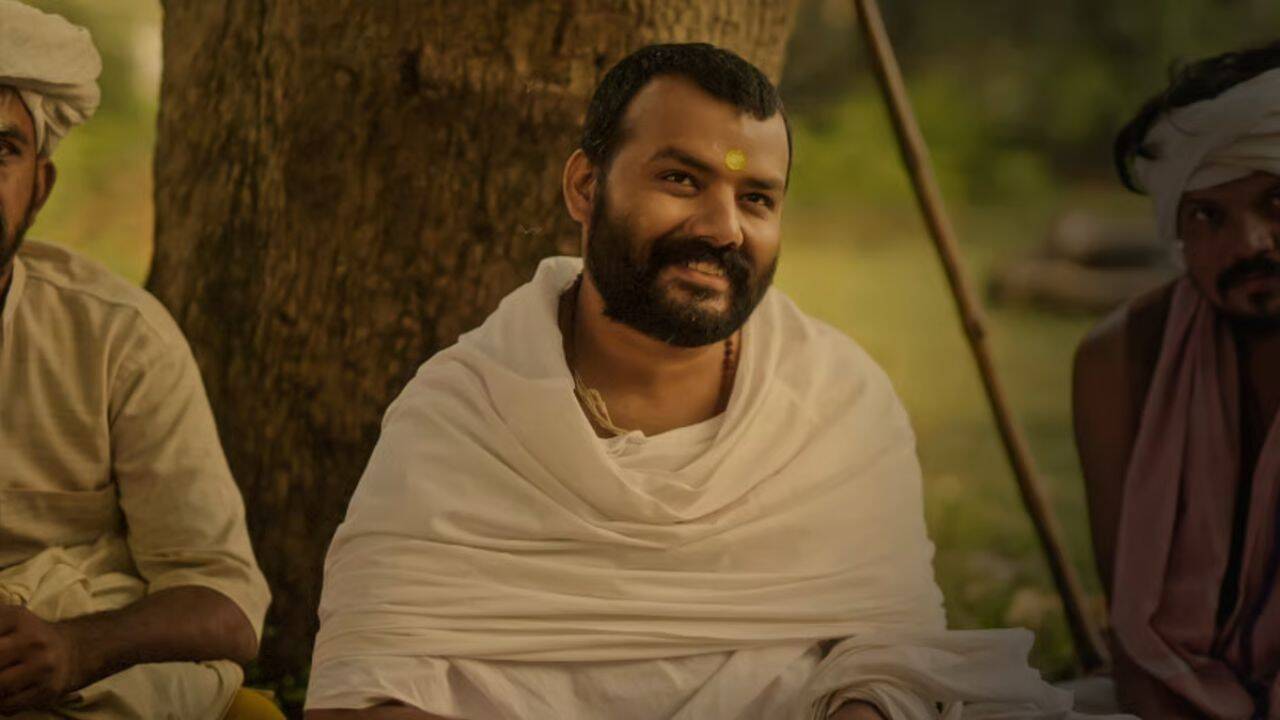
Week 7 and Still Counting: How Hanuman Ansh Broke the Mould
Studio CarryOnHarry Entertainment Desk | 22 September 2026A Slow Burn That Became a Box Office Phenomenon
What started as a quiet, faith-driven release has grown into one of Bollywood’s most remarkable theatrical stories of 2026. Hanuman Ansh, the spiritual biopic centred on the life and legacy of Neem Karoli Baba, has crossed a staggering Rs 366 crore worldwide by its Day 46-47 mark — a feat few industry watchers predicted when the film first opened.
Directed by Vishal Chaturvedi and led by actor Shobhinaw Satyaa, the film has now firmly established itself as a sleeper hit of the year, with its domestic India collection surging past the Rs 276 crore threshold.
From Modest Opening to Extended Theatrical Run
Hanuman Ansh did not arrive with the fanfare of a big-budget franchise blockbuster. Its opening weekend was measured, drawing in a niche audience of devotees, spiritual seekers, and fans of biographical cinema.
The real turning point came in the film’s third week, when word-of-mouth from religious communities and social media appreciation began driving audiences back to cinemas. That momentum has proven near-impossible to halt.
Key Milestones at a Glance
- 🎬 Day 46-47 Worldwide Gross: Rs 366 crore+
- 🇮🇳 India Domestic Collection: Rs 276 crore+
- 📈 Turnaround point: Week 3 of theatrical run
- 🎯 Next target: Rs 280 crore domestic, Rs 370+ crore worldwide
- 🏆 Comparable milestone: On track to surpass Border 2’s worldwide total
Can Hanuman Ansh Cross Rs 280 Crore Domestically?
With its extended run still alive in multiplexes across the country, the Rs 280 crore domestic target appears very much within reach. Trade analysts tracking entertainment industry coverage have noted that spiritual and devotional films rarely sustain this kind of longevity — making Hanuman Ansh a genuinely historic case study.
The film’s unique appeal cuts across demographics. It is drawing not just devoted followers of Neem Karoli Baba — whose ashrams span from Uttarakhand to international centres — but also general audiences captivated by its sincerity and cinematic craft.
What This Means for Indian Spiritual Cinema
Hanuman Ansh joins a short but growing list of faith-based Indian films that have proved the multiplex audience is far more diverse than marketers once assumed. For more stories shaping Indian cinema right now, explore Bollywood’s top stories on our dedicated entertainment hub.
The success also places director Vishal Chaturvedi firmly on the industry map as a filmmaker capable of handling sensitive biographical material with both reverence and commercial instinct.
Studio CarryOnHarry Perspective
Hanuman Ansh is more than a box office number — it is a signal. Indian audiences are hungry for stories rooted in culture, spirituality, and authentic biography. This film proves that you don’t need a Khan or a Kapoor to fill seats; you need truth, craft, and a story worth telling. At Studio CarryOnHarry, we believe this is the kind of cinema that reshapes what Bollywood can be — and we’ll be watching every milestone closely.
– Entertainment Desk, Studio Carry On Harry
—Powered by SgAiSolution
Related Posts
Bajpayee Transforms Into Gandhi in Sudhir Mishra’s Next
Bajpayee Transforms Into Gandhi in Sudhir Mishra's Next Studio CarryOnHarry Entertainment Desk | 6 September 2026 A Historic Casting Decision…

Dulquer’s I’m Game Loses Ground on Day 2 as Footfall Fails to Match Screens
Dulquer's I'm Game Loses Ground on Day 2 as Footfall Fails to Match Screens Studio CarryOnHarry Entertainment Desk | 5…
Mirzapur: The Movie Day 1 — Rs. 29.70 Crore Gross Beats Projections, But Weekend Hold Is the Real Verdict
Mirzapur: The Movie Day 1 — Rs. 29.70 Crore Gross Beats Projections, But Weekend Hold Is the Real VerdictMassMasala —…
The OTT Gatekeepers Said No. Then ₹61 Crore Said Otherwise.
The OTT Gatekeepers Said No. Then ₹61 Crore Said Otherwise. Studio CarryOnHarry Entertainment Desk | 5 September 2026 From Boardroom…
How a ₹128 Crore Bet Built Bollywood’s Most Profitable Thriller Run
How a ₹128 Crore Bet Built Bollywood's Most Profitable Thriller Run Studio CarryOnHarry Entertainment Desk | 31 August 2026 A…

Spider-Man: Brand New Day Dethrones Avatar 2 as 3rd Highest-Grossing Film Ever
Spider-Man: Brand New Day Dethrones Avatar 2 as 3rd Highest-Grossing Film Ever Studio CarryOnHarry Entertainment Desk | 31 August 2026…
TV & MOVIES
Jewell R. Powell’s Holiday Film Launches Dual Distribution Strategy Targeting Congregations and Multiplexes

Balle Balle Radio™ Entertainment Desk
Jewell R. Powell’s second feature, A Christmas Journey, arrives in select theaters on November 7, 2026, with Impact Nations Entertainment simultaneously opening church and campus screenings that extend through year-end, plus a streaming release.
This faith-based reimagining of the Dickens classic follows Hannah, whose supernatural dreams help her confront unresolved trauma and move toward forgiveness, healing and renewed faith. It premiered in July 2026 to a sold-out screening, according to the announcement.
The theatrical run opens with 3 p.m. screenings on November 7 in Hyattsville, Maryland; Newark, Delaware; Greenville and Charlotte, North Carolina; Orlando; Detroit; Arlington, Virginia; and Mays Landing, New Jersey, with a Reading, Pennsylvania screening following November 8. Additional dates are being planned for Dallas, Los Angeles, Philadelphia and Memphis. Streaming begins November 27 and continues through December 31.
Beyond the theatrical tour, Impact Nations Entertainment is opening the film to churches, women’s ministries and campuses that want to host their own screenings, complete with an optional discussion guide and, scheduling permitting, a live Q&A with Powell. The model capitalizes on a seasonal reality: churches already draw congregations together during this time of year. "This gives them something they can watch together and then actually talk about," Powell said in the announcement.
The cast includes Aaron D. Spears, known for The Bold and the Beautiful and Being Mary Jane, and Charmin Noel Lee, who has appeared in The Chi and Just Mercy, along with Christian film veterans Sharonne Lanier and Michael J. Patterson. The film introduces C’yana Denby in the lead role of Hannah.
Powell spent more than 30 years in federal acquisition, including a stint as a contracting officer at U.S. Postal Service headquarters, and continues to work as a contractor in that field. She’s also a licensed and ordained minister who leads Brides Arise, a movement centered on Revelation 19:7. She began making films in 2021.
Her debut feature, Unfailing Love, a modern retelling of the biblical book of Hosea, has picked up more than 15 festival honors, including the Audience Choice Award at the International Christian Film and Music Festival and Best American Film at the 2026 Cannes Film Awards. Impact Nations Entertainment, which she founded, currently has two completed features, with seven more films and two series in development, and also produces work from other Christian filmmakers.
Studio CarryOnHarry will be watching how the church-screening model performs against the traditional theatrical dates — a faith-market film that can fill sanctuaries as easily as multiplexes is a distribution story as much as a movie one.
Read more People’s Choice stories on Studio CarryOnHarry. Reporting via Live News Vault.
Are you an author with a new release? We’re always looking for books to cover and authors to interview — tell us about yours here.
Press Releases at Studio CarryOnHarry
Powered by SgAiSolution
Related Posts
Week 7 and Still Counting: How Hanuman Ansh Broke the Mould
Week 7 and Still Counting: How Hanuman Ansh Broke the Mould Studio CarryOnHarry Entertainment Desk | 22 September 2026 A…
Three Major Bollywood Stars Being Courted for Reimagined Race Franchise
Balle Balle Radio™ Entertainment Desk Ramesh Taurani's production company is reportedly negotiating with Aamir Khan, Sidharth Malhotra, and Tiger Shroff…
Monster: The Lizzie Borden Story Premieres on Netflix—Here’s When in Your Region
Balle Balle Radio™ Entertainment Desk The third installment of Netflix's "Monster" anthology, "Monster: The Lizzie Borden Story," comes to the…
Mirzapur Proves the Screen-to-Cinema Leap Can Work — But the Numbers Tell a More Complicated Story
Balle Balle Radio™ Entertainment Desk The web-to-film adaptation of Mirzapur has opened strongly at the box office, but its real…
Bajpayee Transforms Into Gandhi in Sudhir Mishra’s Next
Bajpayee Transforms Into Gandhi in Sudhir Mishra's Next Studio CarryOnHarry Entertainment Desk | 6 September 2026 A Historic Casting Decision…
Dulquer’s I’m Game Loses Ground on Day 2 as Footfall Fails to Match Screens
Dulquer's I'm Game Loses Ground on Day 2 as Footfall Fails to Match Screens Studio CarryOnHarry Entertainment Desk | 5…
-

 Editor's Choice5 days ago
Prime Video India’s August-September slate: a cop drama, a reality reboot and a Carnatic music saga
-

 Books5 days ago
Rockingham Author Lucy Allen Releases Third Devotional, “In Jars of Clay”
-

 TV & MOVIES4 days ago
Three Major Bollywood Stars Being Courted for Reimagined Race Franchise
-

 Books6 days ago
New Book by Robert V. Palmer Makes the Case for God’s Existence Through Legal-Style Argument
-

 Books5 days ago
Katie Willis’s New Poetry Collection “Hidden Hallelujahs” Finds Faith in Ordinary Moments
-

 Editor's Choice5 days ago
If it was good then why did Priyadarshan remake it, and if i