
TV & MOVIES
Adapting Non-Fiction Literature to the Screen: A Comparison of “The Social Network” and “Moneyball


In recent years, Hollywood has produced a number of successful films based on non-fiction literature. One of the challenges in adapting such works is to remain true to the source material while also creating a compelling cinematic experience. In this article, we will examine two such films, “The Social Network” and “Moneyball,” and compare the ways in which they handle this challenge.
“The Social Network” is based on the book “The Accidental Billionaires” by Ben Mezrich, which tells the story of the founding of Facebook by Mark Zuckerberg and his associates. The film, directed by David Fincher, uses a non-linear narrative structure to tell the story, jumping back and forth in time between different events. This technique is effective in capturing the chaotic energy of the early days of Facebook and also adds tension to the legal battles that arise later in the story.
In contrast, “Moneyball” is based on the book “Moneyball: The Art of Winning an Unfair Game” by Michael Lewis, which explores the methods used by Oakland A’s general manager Billy Beane to assemble a competitive baseball team on a limited budget. The film, directed by Bennett Miller, takes a more straightforward approach, following a linear narrative that closely mirrors the structure of the book.
One of the challenges in adapting “Moneyball” was to make the technical aspects of baseball strategy accessible to a general audience. The filmmakers achieved this by using a number of visual aids, such as on-screen graphics and animation, to explain the concepts. This helps to make the film more engaging for viewers who may not be familiar with the intricacies of baseball.
Both “The Social Network” and “Moneyball” are successful in adapting non-fiction literature to the screen, but they take different approaches to the task. “The Social Network” uses a non-linear narrative structure to capture the chaotic energy of its subject matter, while “Moneyball” takes a more straightforward approach and uses visual aids to explain complex concepts. Ultimately, the success of each film is due to its ability to remain true to the source material while also creating an engaging cinematic experience.
One of the most interesting aspects of the adaptation of these two books is the different approaches taken by their respective filmmakers. While both movies were directed by David Fincher, they are quite different in tone and style.
“The Social Network” is a fast-paced, dialogue-driven film that focuses on the drama and interpersonal relationships behind the creation of Facebook. The screenplay, written by Aaron Sorkin, is known for its witty and rapid-fire dialogue, which helps to keep the viewer engaged throughout the film.
“Moneyball,” on the other hand, is a more contemplative film that focuses on the ideas and strategies behind Billy Beane’s approach to building a winning baseball team. The screenplay, written by Steven Zaillian and Aaron Sorkin, takes a more measured approach, with fewer characters and less frenetic pacing than “The Social Network.”
Despite these differences, both films are successful adaptations of their source material. “The Social Network” captures the drama and tension of the early days of Facebook, while “Moneyball” effectively conveys the complexity and ingenuity of Billy Beane’s approach to building a winning baseball team.
In conclusion, the adaptation of non-fiction literature to the screen is a complex and challenging process, but when done well, it can result in compelling and thought-provoking films that entertain and inform audiences. “The Social Network” and “Moneyball” are two excellent examples of this, and they serve as a testament to the power of non-fiction literature to inspire and captivate us, both on the page and on the screen.
Perspective from Studio Carry On Harry Columnists :
Perspective come from discussion between two seasoned columnists at Studio Carry On Harry, David Lee and Rachel Smith :
David Lee: Rachel, I think the adaptation of non-fiction literature to the screen is a fascinating topic. Two films that come to mind are “The Social Network” and “Moneyball”. Both of these films were adapted from non-fiction literature, and both were critically acclaimed. However, they are very different films. What are your thoughts on this topic?
Rachel Smith: I agree, David. I think that adapting non-fiction literature to the screen is a difficult task. You have to balance the factual information with the creative aspects of filmmaking. “The Social Network” and “Moneyball” are great examples of how to do this successfully.
David Lee: Absolutely. “The Social Network” was adapted from the book “The Accidental Billionaires” by Ben Mezrich. The film tells the story of the founding of Facebook by Mark Zuckerberg and his co-founders. What I found most impressive about this film was how it managed to capture the essence of the story while still being entertaining and engaging.
Rachel Smith: I completely agree. Aaron Sorkin’s screenplay for “The Social Network” was superb. He took the factual information from the book and turned it into a compelling story that was easy to follow. The film was also beautifully shot, with excellent performances from the cast.
David Lee: “Moneyball” is another example of how to adapt non-fiction literature to the screen. The film was based on the book “Moneyball: The Art of Winning an Unfair Game” by Michael Lewis. The story is about Billy Beane, the general manager of the Oakland A’s, who uses statistical analysis to build a winning team on a limited budget.
Rachel Smith: “Moneyball” is a great example of how to take a complex subject and make it accessible to a wide audience. The film managed to explain the concept of sabermetrics in a way that was easy to understand, while still being entertaining. Brad Pitt’s performance as Billy Beane was excellent, and the film was well-directed by Bennett Miller.
David Lee: One of the challenges of adapting non-fiction literature to the screen is deciding what to include and what to leave out. Both “The Social Network” and “Moneyball” had to condense a lot of information into a two-hour film.
Rachel Smith: That’s true, David. But I think that both films managed to include the most important information while still telling a compelling story. Of course, there were some changes made for dramatic effect, but that’s to be expected in any adaptation.
David Lee: Overall, I think that “The Social Network” and “Moneyball” are great examples of how to adapt non-fiction literature to the screen. Both films were well-received critically and commercially, and they managed to tell compelling stories while staying true to the facts. It’s not an easy task, but when it’s done well, the results can be spectacular.
Rachel Smith: I couldn’t agree more, David. Adapting non-fiction literature to the screen is a challenging task, but “The Social Network” and “Moneyball” show that it can be done successfully. These films provide an excellent example of how to balance factual information with creative storytelling, and I think that future filmmakers can learn a lot from them.
Related Posts

How The Odyssey Pushed Nolan Into Cinema’s Billion-Dollar Elite
How The Odyssey Pushed Nolan Into Cinema's Billion-Dollar Elite Studio CarryOnHarry Entertainment Desk | 13 October 2026 The Odyssey Rewrites…
Bollywood Loses a Titan: Patekar Dies, State Funeral Confirmed
Director Anees Bazmee breaks silence on Nana Patekar's death, calling it unbearable. Read the full story on India's cinema legend's…
Bollywood’s Most Famous Couch Gets a Final Curtain Call
One of Hindi cinema's most iconic small-screen institutions is preparing to take its final bow. Karan Johar has officially confirmed…
Bollywood’s ‘What If’ Moment: Pop Queen Recalls Nearly Landing a Legendary Film Role
One of India's most celebrated pop voices has opened up about a surprising chapter in her early career — a…
John Abraham’s Force Turns 15: A Tribute to the Director He Still Misses
John Abraham's Force Turns 15: A Tribute to the Director He Still Misses Studio CarryOnHarry Entertainment Desk | 30 September…

Week 7 and Still Counting: How Hanuman Ansh Broke the Mould
Week 7 and Still Counting: How Hanuman Ansh Broke the Mould Studio CarryOnHarry Entertainment Desk | 22 September 2026 A…


How The Odyssey Pushed Nolan Into Cinema’s Billion-Dollar Elite
Studio CarryOnHarry Entertainment Desk | 13 October 2026
The Odyssey Rewrites Box Office History
Christopher Nolan has officially cemented his place among the most commercially powerful filmmakers in cinema history. His latest epic, The Odyssey, has stormed past $1.78 billion at the worldwide box office, making it not only the biggest film of his career but also the highest-grossing R-rated movie ever released globally.
The achievement has propelled Nolan past the $8 billion milestone in cumulative career earnings at the worldwide box office — a staggering figure that places him third on the all-time list of highest-grossing directors, displacing the Russo Brothers from that coveted position.
What Makes The Odyssey a Record-Breaker?
Adapted from Homer’s ancient Greek epic poem, The Odyssey marks Nolan’s first venture into mythological storytelling — and the gamble has paid off spectacularly. The film boasts one of Hollywood’s most impressive ensemble casts, led by Matt Damon, with Tom Holland, Anne Hathaway, Robert Pattinson, Lupita Nyong’o, Zendaya, Samantha Morton, and Charlize Theron rounding out the lineup.
Box Office Breakdown
- Opening Weekend (North America): $123.5 million
- North American Total: $623.1 million
- International Gross: $1.157 billion
- Worldwide Total (to date): $1.78 billion
- Projected Final Worldwide: ~$1.9 billion
Nolan Pushes Russo Brothers Out of the Top 3
Prior to The Odyssey‘s release, Nolan’s global career total sat just below the $8 billion threshold. The film’s extraordinary run has now vaulted him ahead of the Russo Brothers — best known for the Marvel juggernaut films Avengers: Infinity War and Avengers: Endgame — in the all-time director rankings.
For context, Nolan’s previous biggest hit was The Dark Knight Rises, which earned over $1 billion globally. The Odyssey has shattered that benchmark decisively, reportedly tracking toward a $1.9 billion final tally.
Why This Matters for Global Cinema Fans
This milestone is a defining moment for original, auteur-driven blockbuster filmmaking. For fans tracking Bollywood’s top stories and global cinema alike, Nolan’s ascent signals that bold, large-scale storytelling continues to draw audiences worldwide.
For deeper context on how Hollywood’s biggest milestones intersect with the global film landscape, entertainment industry coverage continues to track every record-breaking development in real time.
With The Odyssey still in theatres and its final numbers yet to be tallied, Nolan’s position in cinema history looks more secure than ever.
– Entertainment Desk, Studio Carry On Harry
—
Related Posts
Bollywood Loses a Titan: Patekar Dies, State Funeral Confirmed
Director Anees Bazmee breaks silence on Nana Patekar's death, calling it unbearable. Read the full story on India's cinema legend's…
Bollywood’s Most Famous Couch Gets a Final Curtain Call
One of Hindi cinema's most iconic small-screen institutions is preparing to take its final bow. Karan Johar has officially confirmed…
Bollywood’s ‘What If’ Moment: Pop Queen Recalls Nearly Landing a Legendary Film Role
One of India's most celebrated pop voices has opened up about a surprising chapter in her early career — a…
John Abraham’s Force Turns 15: A Tribute to the Director He Still Misses
John Abraham's Force Turns 15: A Tribute to the Director He Still Misses Studio CarryOnHarry Entertainment Desk | 30 September…
Week 7 and Still Counting: How Hanuman Ansh Broke the Mould
Week 7 and Still Counting: How Hanuman Ansh Broke the Mould Studio CarryOnHarry Entertainment Desk | 22 September 2026 A…
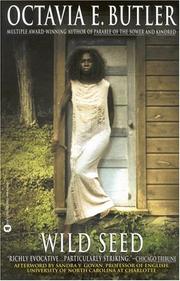
Revisiting Octavia Butler’s “Wild Seed,” the 1980 novel that opens her Patternist series
Balle Balle Radio™ Entertainment Desk Octavia E. Butler's "Wild Seed," released in 1980, remains one of the author's most widely…
Editor's Choice
Bollywood Loses a Titan: Patekar Dies, State Funeral Confirmed
Director Anees Bazmee breaks silence on Nana Patekar’s death, calling it unbearable. Read the full story on India’s cinema legend’s final farewell.
Bollywood Loses a Titan: Patekar Dies, State Funeral Confirmed
Studio CarryOnHarry Entertainment Desk | 8 October 2026
A Filmmaker’s Grief: Anees Bazmee Speaks From the Heart
Veteran Bollywood director Anees Bazmee has issued a deeply emotional appeal to the media following the sudden passing of legendary actor Nana Patekar on 8 October 2026. In a heartfelt message shared on his official Instagram account, Bazmee admitted he is not yet in a position to speak publicly about the tragedy.
“This is an unbearable loss and an unbearable pain for me and for all of us,” the director wrote, requesting that journalists and well-wishers allow him time to grieve privately. His message resonated across the industry, reflecting the profound bond the two shared over decades in Hindi cinema.
Nana Patekar’s Final Hours: What We Know
The Padma Shri-winning actor reportedly suffered a severe cardiac arrest in the early hours of Thursday at his residence in Dona Paula, Goa. Emergency services rushed him to Manipal Hospital after he was found unresponsive, but despite approximately 45 minutes of CPR efforts by medical personnel, the veteran star could not be revived.
He was officially declared deceased at around 5:20 AM IST. His son, Malhar Patekar, subsequently confirmed the heartbreaking news to the media.
State Funeral Announced by Maharashtra Government
In recognition of Nana Patekar’s extraordinary contribution to Indian cinema, the Maharashtra government has announced that the actor will receive a state funeral with full state honours. His mortal remains are being transported from Goa to Pune, where final rites are scheduled to take place at his farmhouse in Donje.
A Legacy That Transcends Generations
Over a career spanning more than four decades, Nana Patekar built an unrivalled reputation across both Hindi and Marathi cinema. Known for his intense screen presence, raw emotional depth, and unflinching commitment to his craft, he was widely regarded as one of the finest actors India has ever produced.
- Recipient of the prestigious Padma Shri, one of India’s highest civilian honours
- Celebrated for landmark performances across Hindi and Marathi films
- Passed away on 8 October 2026, aged 75, in Dona Paula, Goa
- State funeral to be held at his Donje farmhouse near Pune
For the latest tributes and reactions pouring in from across the film fraternity, follow Bollywood’s top stories as the industry comes to terms with this devastating loss.
Industry Mourns: A Moment of National Grief
The outpouring of grief from fellow actors, directors, and fans across India underscores the extraordinary impact Nana Patekar had on generations of cinema lovers. For comprehensive entertainment industry coverage on how Bollywood is responding to this loss, tributes and memorial events are being closely tracked.
Anees Bazmee’s quiet, dignified appeal to the media — itself a testament to a friendship forged through years of creative collaboration — has been widely shared and respected across social platforms today.
– Entertainment Desk, Studio Carry On Harry
—
Related Posts
How The Odyssey Pushed Nolan Into Cinema’s Billion-Dollar Elite
How The Odyssey Pushed Nolan Into Cinema's Billion-Dollar Elite Studio CarryOnHarry Entertainment Desk | 13 October 2026 The Odyssey Rewrites…
Bollywood’s Most Famous Couch Gets a Final Curtain Call
One of Hindi cinema's most iconic small-screen institutions is preparing to take its final bow. Karan Johar has officially confirmed…
Bollywood’s ‘What If’ Moment: Pop Queen Recalls Nearly Landing a Legendary Film Role
One of India's most celebrated pop voices has opened up about a surprising chapter in her early career — a…
John Abraham’s Force Turns 15: A Tribute to the Director He Still Misses
John Abraham's Force Turns 15: A Tribute to the Director He Still Misses Studio CarryOnHarry Entertainment Desk | 30 September…
Week 7 and Still Counting: How Hanuman Ansh Broke the Mould
Week 7 and Still Counting: How Hanuman Ansh Broke the Mould Studio CarryOnHarry Entertainment Desk | 22 September 2026 A…
Revisiting Octavia Butler’s “Wild Seed,” the 1980 novel that opens her Patternist series
Balle Balle Radio™ Entertainment Desk Octavia E. Butler's "Wild Seed," released in 1980, remains one of the author's most widely…
-

 Books4 days ago
New Children’s Book Pairs Faith Themes With a Mystery About Fruit Jars and a Vanished Town
-

 Books5 days ago
Christian Faith Publishing Releases Daniel Kelsey’s “Hidden Treasures in Secret Places”
-

 Books5 days ago
New Children’s Book ‘Sally’s First Day of School’ Frames Bullying Through a Lens of Faith
-

 Books4 days ago
Nancy Chance’s New Book Traces Fallen Angels and Ancient Origins Through Biblical Texts
-
 Books3 days ago
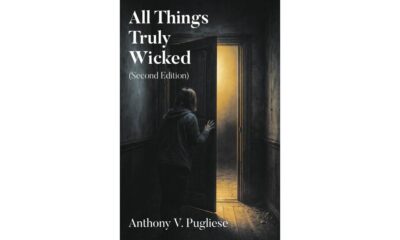
Anthony V. Pugliese Expands 2020 Horror Collection in New Edition of “All Things Truly Wicked”
-

 Books5 days ago
New Book from Author Esther Gómez Offers Hispanic Families a Guide Through U.S. Schools