
TV & MOVIES
Point of View : Relationship between successful films and good book adaptations:


Two hypothetical film columnists who have differing views on the relationship between successful films and good book adaptations:
David Lee and Rachel Smith, in-house columnists for Studio Carry On Harry, are here to discuss a fascinating topic in the world of cinema – the relationship between successful films and good book adaptations. There are two hypothetical film columnists that have taken opposite stances on this topic, and we’ll be exploring their viewpoints in this article.
The first film columnist believes that a successful film does not necessarily have to be a good book adaptation. They argue that while book adaptations can be successful in their own right, a film should be judged based on its own merits as a standalone work of art. This columnist may point to films like “Jaws” or “The Godfather” as examples of successful films that were not necessarily faithful adaptations of their source material.
On the other hand, the second film columnist believes that a successful film must also be a good book adaptation. They argue that a film’s success is largely dependent on its ability to capture the essence of the book it’s based on, and that adaptations that deviate too much from the source material are bound to disappoint fans. This columnist may point to films like “The Lord of the Rings” or “The Hunger Games” as examples of successful films that were faithful adaptations of their source material.
While these two viewpoints may seem diametrically opposed, there’s no denying that both perspectives have their merits. As we explore the world of book adaptations in Hollywood, we’ll be examining the reasons why filmmakers are drawn to adapting books for the big screen, the challenges they face in the adaptation process, and the impact that successful adaptations can have on both the film industry and popular culture. Join us as we delve into this fascinating topic and explore the intersection of literature and cinema
in house Columnist Studio Carry On Harry Rachel Smith : Rachel Smith is a film columnist who believes that successful films don’t necessarily mean that the book adaptation was good. She argues that sometimes, filmmakers can take liberties with the source material in order to make a more commercially successful film, even if it means sacrificing some of the nuance and complexity of the original book.
in house Columnist Studio Carry On Harry: David Lee
David Lee, on the other hand, is a film columnist who believes that successful films are a sign of good book adaptations. He argues that if a film is able to capture the spirit of the source material and resonate with audiences, then it must be a successful adaptation.
Let’s see how these two columnists might approach the topic of successful films and good book adaptations.
Rachel Smith: “Box Office Success Doesn’t Equal Good Adaptation”
When it comes to book adaptations, it’s important to remember that commercial success doesn’t always equal quality. Just because a film is a hit at the box office doesn’t necessarily mean that it was a faithful or successful adaptation of the original book.
Take, for example, the film adaptation of “The Da Vinci Code.” While the film was a commercial success, grossing over $758 million worldwide, many critics and fans of the book felt that the film failed to capture the complexity and nuance of Dan Brown’s novel. The filmmakers took liberties with the source material, changing key plot points and character motivations in order to make a more streamlined and action-packed film. While this approach may have made for a more exciting film, it also sacrificed some of the depth and complexity that made the book so compelling.
Similarly, the film adaptation of “Eragon” was a commercial disappointment, despite the fact that the book had a dedicated fan base. Many fans felt that the filmmakers had made too many changes to the story, resulting in a film that was unfaithful to the source material and failed to capture the magic of the original book.
In both of these cases, the success (or lack thereof) of the film had little to do with the quality of the book adaptation. Instead, it had more to do with the choices that the filmmakers made in adapting the source material for the screen. While there are certainly successful book adaptations out there, it’s important to remember that box office success doesn’t always equal a good adaptation.
David Lee: “Success at the Box Office is a Sign of Good Adaptation”
I have to respectfully disagree with my colleague Rachel on this one. When it comes to book adaptations, success at the box office is a clear sign that the film was a successful adaptation of the source material.
Take, for example, the film adaptation of “The Hunger Games.” The film was a huge commercial success, grossing over $694 million worldwide, and was widely praised for its faithful adaptation of Suzanne Collins’ novel. The filmmakers were able to capture the spirit of the book, bringing to life the dystopian world of Panem and the character of Katniss Everdeen in a way that resonated with audiences around the world.
Similarly, the film adaptation of “The Lord of the Rings” trilogy was a massive commercial success, grossing over $2.9 billion worldwide, and was widely praised for its faithful adaptation of J.R.R. Tolkien’s beloved novel. The filmmakers were able to bring to life the world of Middle-earth in a way that was both faithful to the source material and visually stunning.
In both of these cases, the success of the film was a clear indication that the filmmakers had succeeded in adapting the source material for the screen. The films were able to capture the spirit of the books and resonate with audiences, resulting in massive box office success
Why Film Directors Love Making Book Adaptations: Exploring the Intersection of Literature and Cinema
Powered by SgAiSolution
Related Posts
Week 7 and Still Counting: How Hanuman Ansh Broke the Mould
Week 7 and Still Counting: How Hanuman Ansh Broke the Mould Studio CarryOnHarry Entertainment Desk | 22 September 2026 A…

Jewell R. Powell’s Holiday Film Launches Dual Distribution Strategy Targeting Congregations and Multiplexes
Balle Balle Radio™ Entertainment Desk Jewell R. Powell's second feature, A Christmas Journey, arrives in select theaters on November 7,…

Three Major Bollywood Stars Being Courted for Reimagined Race Franchise
Balle Balle Radio™ Entertainment Desk Ramesh Taurani's production company is reportedly negotiating with Aamir Khan, Sidharth Malhotra, and Tiger Shroff…

Monster: The Lizzie Borden Story Premieres on Netflix—Here’s When in Your Region
Balle Balle Radio™ Entertainment Desk The third installment of Netflix's "Monster" anthology, "Monster: The Lizzie Borden Story," comes to the…
Mirzapur Proves the Screen-to-Cinema Leap Can Work — But the Numbers Tell a More Complicated Story
Balle Balle Radio™ Entertainment Desk The web-to-film adaptation of Mirzapur has opened strongly at the box office, but its real…

Bajpayee Transforms Into Gandhi in Sudhir Mishra’s Next
Bajpayee Transforms Into Gandhi in Sudhir Mishra's Next Studio CarryOnHarry Entertainment Desk | 6 September 2026 A Historic Casting Decision…

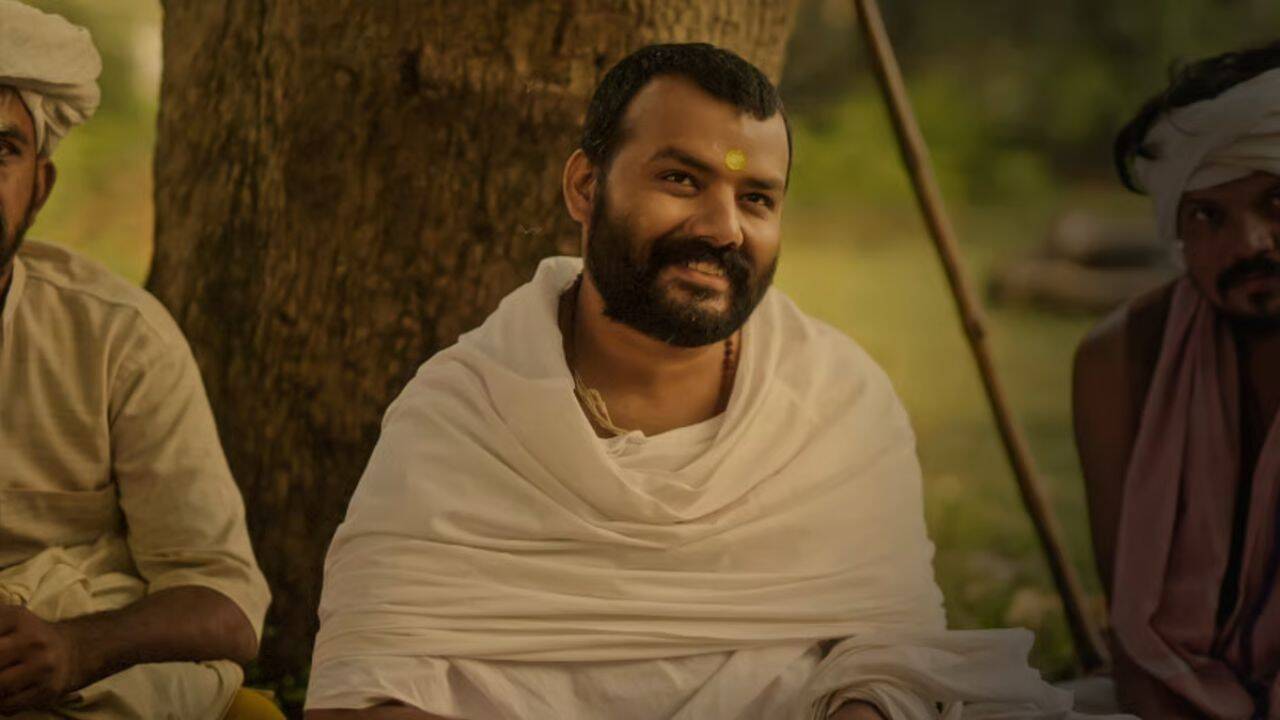
Week 7 and Still Counting: How Hanuman Ansh Broke the Mould
Studio CarryOnHarry Entertainment Desk | 22 September 2026A Slow Burn That Became a Box Office Phenomenon
What started as a quiet, faith-driven release has grown into one of Bollywood’s most remarkable theatrical stories of 2026. Hanuman Ansh, the spiritual biopic centred on the life and legacy of Neem Karoli Baba, has crossed a staggering Rs 366 crore worldwide by its Day 46-47 mark — a feat few industry watchers predicted when the film first opened.
Directed by Vishal Chaturvedi and led by actor Shobhinaw Satyaa, the film has now firmly established itself as a sleeper hit of the year, with its domestic India collection surging past the Rs 276 crore threshold.
From Modest Opening to Extended Theatrical Run
Hanuman Ansh did not arrive with the fanfare of a big-budget franchise blockbuster. Its opening weekend was measured, drawing in a niche audience of devotees, spiritual seekers, and fans of biographical cinema.
The real turning point came in the film’s third week, when word-of-mouth from religious communities and social media appreciation began driving audiences back to cinemas. That momentum has proven near-impossible to halt.
Key Milestones at a Glance
- 🎬 Day 46-47 Worldwide Gross: Rs 366 crore+
- 🇮🇳 India Domestic Collection: Rs 276 crore+
- 📈 Turnaround point: Week 3 of theatrical run
- 🎯 Next target: Rs 280 crore domestic, Rs 370+ crore worldwide
- 🏆 Comparable milestone: On track to surpass Border 2’s worldwide total
Can Hanuman Ansh Cross Rs 280 Crore Domestically?
With its extended run still alive in multiplexes across the country, the Rs 280 crore domestic target appears very much within reach. Trade analysts tracking entertainment industry coverage have noted that spiritual and devotional films rarely sustain this kind of longevity — making Hanuman Ansh a genuinely historic case study.
The film’s unique appeal cuts across demographics. It is drawing not just devoted followers of Neem Karoli Baba — whose ashrams span from Uttarakhand to international centres — but also general audiences captivated by its sincerity and cinematic craft.
What This Means for Indian Spiritual Cinema
Hanuman Ansh joins a short but growing list of faith-based Indian films that have proved the multiplex audience is far more diverse than marketers once assumed. For more stories shaping Indian cinema right now, explore Bollywood’s top stories on our dedicated entertainment hub.
The success also places director Vishal Chaturvedi firmly on the industry map as a filmmaker capable of handling sensitive biographical material with both reverence and commercial instinct.
Studio CarryOnHarry Perspective
Hanuman Ansh is more than a box office number — it is a signal. Indian audiences are hungry for stories rooted in culture, spirituality, and authentic biography. This film proves that you don’t need a Khan or a Kapoor to fill seats; you need truth, craft, and a story worth telling. At Studio CarryOnHarry, we believe this is the kind of cinema that reshapes what Bollywood can be — and we’ll be watching every milestone closely.
– Entertainment Desk, Studio Carry On Harry
—Powered by SgAiSolution
Related Posts
Bajpayee Transforms Into Gandhi in Sudhir Mishra’s Next
Bajpayee Transforms Into Gandhi in Sudhir Mishra's Next Studio CarryOnHarry Entertainment Desk | 6 September 2026 A Historic Casting Decision…

Dulquer’s I’m Game Loses Ground on Day 2 as Footfall Fails to Match Screens
Dulquer's I'm Game Loses Ground on Day 2 as Footfall Fails to Match Screens Studio CarryOnHarry Entertainment Desk | 5…
Mirzapur: The Movie Day 1 — Rs. 29.70 Crore Gross Beats Projections, But Weekend Hold Is the Real Verdict
Mirzapur: The Movie Day 1 — Rs. 29.70 Crore Gross Beats Projections, But Weekend Hold Is the Real VerdictMassMasala —…
The OTT Gatekeepers Said No. Then ₹61 Crore Said Otherwise.
The OTT Gatekeepers Said No. Then ₹61 Crore Said Otherwise. Studio CarryOnHarry Entertainment Desk | 5 September 2026 From Boardroom…
How a ₹128 Crore Bet Built Bollywood’s Most Profitable Thriller Run
How a ₹128 Crore Bet Built Bollywood's Most Profitable Thriller Run Studio CarryOnHarry Entertainment Desk | 31 August 2026 A…

Spider-Man: Brand New Day Dethrones Avatar 2 as 3rd Highest-Grossing Film Ever
Spider-Man: Brand New Day Dethrones Avatar 2 as 3rd Highest-Grossing Film Ever Studio CarryOnHarry Entertainment Desk | 31 August 2026…
TV & MOVIES
Jewell R. Powell’s Holiday Film Launches Dual Distribution Strategy Targeting Congregations and Multiplexes

Balle Balle Radio™ Entertainment Desk
Jewell R. Powell’s second feature, A Christmas Journey, arrives in select theaters on November 7, 2026, with Impact Nations Entertainment simultaneously opening church and campus screenings that extend through year-end, plus a streaming release.
This faith-based reimagining of the Dickens classic follows Hannah, whose supernatural dreams help her confront unresolved trauma and move toward forgiveness, healing and renewed faith. It premiered in July 2026 to a sold-out screening, according to the announcement.
The theatrical run opens with 3 p.m. screenings on November 7 in Hyattsville, Maryland; Newark, Delaware; Greenville and Charlotte, North Carolina; Orlando; Detroit; Arlington, Virginia; and Mays Landing, New Jersey, with a Reading, Pennsylvania screening following November 8. Additional dates are being planned for Dallas, Los Angeles, Philadelphia and Memphis. Streaming begins November 27 and continues through December 31.
Beyond the theatrical tour, Impact Nations Entertainment is opening the film to churches, women’s ministries and campuses that want to host their own screenings, complete with an optional discussion guide and, scheduling permitting, a live Q&A with Powell. The model capitalizes on a seasonal reality: churches already draw congregations together during this time of year. "This gives them something they can watch together and then actually talk about," Powell said in the announcement.
The cast includes Aaron D. Spears, known for The Bold and the Beautiful and Being Mary Jane, and Charmin Noel Lee, who has appeared in The Chi and Just Mercy, along with Christian film veterans Sharonne Lanier and Michael J. Patterson. The film introduces C’yana Denby in the lead role of Hannah.
Powell spent more than 30 years in federal acquisition, including a stint as a contracting officer at U.S. Postal Service headquarters, and continues to work as a contractor in that field. She’s also a licensed and ordained minister who leads Brides Arise, a movement centered on Revelation 19:7. She began making films in 2021.
Her debut feature, Unfailing Love, a modern retelling of the biblical book of Hosea, has picked up more than 15 festival honors, including the Audience Choice Award at the International Christian Film and Music Festival and Best American Film at the 2026 Cannes Film Awards. Impact Nations Entertainment, which she founded, currently has two completed features, with seven more films and two series in development, and also produces work from other Christian filmmakers.
Studio CarryOnHarry will be watching how the church-screening model performs against the traditional theatrical dates — a faith-market film that can fill sanctuaries as easily as multiplexes is a distribution story as much as a movie one.
Read more People’s Choice stories on Studio CarryOnHarry. Reporting via Live News Vault.
Are you an author with a new release? We’re always looking for books to cover and authors to interview — tell us about yours here.
Press Releases at Studio CarryOnHarry
Powered by SgAiSolution
Related Posts
Week 7 and Still Counting: How Hanuman Ansh Broke the Mould
Week 7 and Still Counting: How Hanuman Ansh Broke the Mould Studio CarryOnHarry Entertainment Desk | 22 September 2026 A…
Three Major Bollywood Stars Being Courted for Reimagined Race Franchise
Balle Balle Radio™ Entertainment Desk Ramesh Taurani's production company is reportedly negotiating with Aamir Khan, Sidharth Malhotra, and Tiger Shroff…
Monster: The Lizzie Borden Story Premieres on Netflix—Here’s When in Your Region
Balle Balle Radio™ Entertainment Desk The third installment of Netflix's "Monster" anthology, "Monster: The Lizzie Borden Story," comes to the…
Mirzapur Proves the Screen-to-Cinema Leap Can Work — But the Numbers Tell a More Complicated Story
Balle Balle Radio™ Entertainment Desk The web-to-film adaptation of Mirzapur has opened strongly at the box office, but its real…
Bajpayee Transforms Into Gandhi in Sudhir Mishra’s Next
Bajpayee Transforms Into Gandhi in Sudhir Mishra's Next Studio CarryOnHarry Entertainment Desk | 6 September 2026 A Historic Casting Decision…
Dulquer’s I’m Game Loses Ground on Day 2 as Footfall Fails to Match Screens
Dulquer's I'm Game Loses Ground on Day 2 as Footfall Fails to Match Screens Studio CarryOnHarry Entertainment Desk | 5…
-
 Editor's Choice5 days ago
Prime Video India’s August-September slate: a cop drama, a reality reboot and a Carnatic music saga
-

 Books5 days ago
Rockingham Author Lucy Allen Releases Third Devotional, “In Jars of Clay”
-

 TV & MOVIES4 days ago
Three Major Bollywood Stars Being Courted for Reimagined Race Franchise
-
 Books6 days ago
New Book by Robert V. Palmer Makes the Case for God’s Existence Through Legal-Style Argument
-

 Books5 days ago
Katie Willis’s New Poetry Collection “Hidden Hallelujahs” Finds Faith in Ordinary Moments
-

 Editor's Choice5 days ago
If it was good then why did Priyadarshan remake it, and if i
Pingback: Why Film Directors Love Making Book Adaptations: Exploring the Intersection of Literature and Cinema – Artists | Authors | New Books Music Releases | Personalities | Talkshow