
Interviews
Scott Currie is an accomplished veteran in the motion picture production industry


Scott Currie is an accomplished veteran in the motion picture production industry, with a career spanning 36 years in film production and distribution. He brings a wealth of experience, innovative thinking, and a vast network of contacts to any project, propelling it to the next level. Starting his career working on Mark Harmon’s first feature “Worth Winning”, Scott went on to work on notable films such as Jonathan Demme’s “Philadelphia” and Terry Gilliam’s “12 Monkeys”, showcasing his experience and ability to work with different directors and styles.
About You and Your background ?
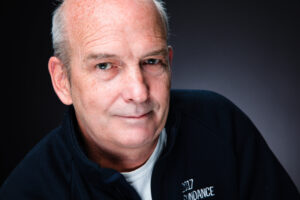 In high school, I hated math. The classes where you read or watched movies were easier. From there, I began to fancy the concept of how the movies were put together. In college, this is what I studied. But college doesn’t teach you how to get a job. So I started out as Production Assistant, driving trucks from Philly to New York and back to pick up camera gear. Then one day, my boss said, “here is a camera. Go down the street and takes some pictures of the stained glass in the church”. That moment started me as a Location Scout – finding unique places to film in. Through the years, my experience with Location Scouting and Management has led me to place where I can help answer the question of “WHERE” for both myself and other film makers.
How do you convince yourself with things that you have to shoot for a film but you actually don’t otherwise believe ?
It’s always better to be involved with projects in which you believe. Weather its the story, actors or locations – it’s always challenging. The reality, is that we all have mouths to feed, so, if you don’t believe in the story, you better believe in the money. Otherwise, why do it. Life is short and better spent on endeavors you believe in.
Your Scripting Process ? Your approach to casting ?
Scripting really depends on the project. In fictional narrative, I usually work with others bouncing ideas back and forth while writing them all down. We usually work out the plot lines and sub plots on a big white board – once the big picture of how the story plays out is complete, we hone in on dialog.
When a draft is complete, we send that to our associates for review and comment.
Casting, like Location Scouting, is project dependent. When I was involved with film distribution, it was always the Q or M rating of the actors attached that guided much of the process. After that it was the actor’s availability for the production schedule, Casting Director input, and their appropriateness to a given role. Documentaries are a different animal. The cast is the story in most cases.
How much does your life influences your story telling and the characters that you bring to life ?
I’ve only ever worked in entertainment, so that’s what influences my approach to story telling. I don’t know if that’s good or bad nor how the character ends up on the page.
How do you work on yourself to become better in your field learning , observing , reading ?
At my age, I’m not sure I’m going to get better. What I’ve found is that by working with younger people, I have the opportunity to extend to them what I’ve learned since 1984. The flip side of that is, I learn from them. It’s very interesting to see how 5 different people will have 5 different view points on how to handle a challenge. It’s navigating those viewpoints to synthesize a solution to the challenge; that is the basis of team work and filmmaking is a teamwork oriented endeavor.
Filmmaking is team work. Tell us about your team and what sort of pre planning gets done before you decide to make a film. Tough things about making films and what keeps you going despite those tough things ?
My expertise is the “where” of the project. How that function intersects with the “what”, “when”, “who”, and “why” is where it gets challenging and interesting because each aspect has to deal with the “how much”. Most projects I deal with begin with a location breakdown from an approved script. From there research of locations as written in the story begins, quickly followed, by a search of states and cities offering the best tax incentives for filming. Once a production locus is selected, the fun of thinking out of the box begins. For example, recently I was tasked with finding 4 different locations: An old time men’s club, a cemetery, a sports club, and a 1930’s tuberculosis ward. Oddly, I was able to find homes for all the scenes in one location, saving a great deal of time and expense. Its rare, but it happens. These type of “wins” are what keep me going. You can find out more about my location company at www.phillylocations.com
Title Of Your New Release
 Touched By Darkness
What is the central theme of film ?
It’s an in-depth discussion about life in the American prison system. Crazy Kenny did 21 years of an 85 year sentence; he has spent his whole life living under harsh conditions. Its an honest conversation with a criminal.
how many days it took you to shoot ? What locations it has been shot at ?
The film is currently a body of interviews, filmed over 6 days in Scranton, PA. More filming is planned to round out all the story potentials.
Share your thoughts about production process . Any interesting trivia about its making ?
I have 2 old sayings and an equation that amount to the production process:The harder you make it, the harder it will be.
Good, Fast or Cheap – pick 2.
Show = Business
While new approaches and new technologies can have an impact, the equations will always remain true.
What platforms will the film be released ? Date of release ?
Since our film is not yet complete, our distribution strategy is not solidified. We hope to finish filming in the next 3 months. We are seeking partners who can help us take the project to the next level.
Any other project you are working on ? Some details about the film ?
I learned long ago, success comes from persistence and opportunity. Having many irons in the fire = opportunity. I am currently working on a dramatic biopic called Sound the Trumpets. It’s the story of Theodor Hesburgh and his impact on race relations in the early 60’s. Also, working with Director, Beverly Perry, I’m helping with her documentary series “Incorrection”. It’s a deep dive into the many issues surrounding mental health and the American penal system. I’m also, working with the Dallas Music Network to find a home for our 60+ episodes of live music programming we created during the pandemic.
How do you deal with Negative Feedbacks ? How do you stay balanced with Positive Feed back ?
All feedback is good feedback. If the feedback can help you to tell a better story and reach more people – then listen to it and act accordingly.
How did you hear about CarryOnHarry ? Any message for Studio ? Any Suggestion that we can make it better ?
My publicist told me about Carry On.
IMDB Link
https://www.imdb.com/name/nm0192994/?ref_=ext_shr_lnk
Your Official Website
Facebook Handle
https://www.facebook.com/scott.currie1/
Linkedin Handle
https://linkedin.com/in/scott-currie-274213241
“Explore the World with Holiday Travelscape: Discover the Best Holiday Destinations and Deals on https://www.holidaytravelscape.com“






Understanding Podcasting Microphones: An In-Depth Guide for Beginners and Professionals
Types of Podcasting Microphones
Dynamic Microphones
Dynamic microphones are the most popular choice for podcasting. They convert sound into electrical signals using a diaphragm, coil, and magnet. These microphones are robust, can handle high sound pressure levels, and require less gain than other types. This makes them excellent for capturing voices in less-than-ideal acoustic environments. The Shure SM7B and the Electro-Voice RE20 are industry standards among podcasters.
Condenser Microphones
Condenser microphones are sensitive and tend to capture a wider frequency range compared to dynamic microphones. They require phantom power to operate and are ideal for capturing subtle vocal nuances, making them great for voice work in studios. Notable condenser microphones include the Audio-Technica AT2020 and the Rode NT1-A, both widely admired for their clarity and depth.
Lavalier Microphones
Lavalier microphones, or lapel mics, are small, clip-on devices ideal for interviews and on-the-go recording. They ensure hands-free operations and are particularly useful for video podcasts. Wireless options add flexibility, allowing hosts to move freely during recordings. Popular choices include the Rode SmartLav+ and the Sennheiser ME 2-II.
USB Microphones
For those looking for simplicity and convenience, USB microphones are perfect. They connect directly to a computer without the need for additional equipment. While they may not deliver the same quality as XLR microphones, models like the Blue Yeti and the Audio-Technica ATR2100x-USB are excellent for beginners and home podcasters.
Important Features of Podcast Microphones
Frequency Response
Frequency response defines how a microphone reacts to different sound frequencies. Most voices fall within the 80Hz to 15kHz range, so a good podcasting microphone should adequately capture this spectrum. A flat frequency response is usually preferable, allowing for a more natural sound.
Polar Patterns
The polar pattern of a microphone determines its sensitivity in various directions. The most commonly used patterns are:
- Cardioid: Ideal for podcasting as it captures sound from the front while minimizing background noise.
- Omnidirectional: Captures sound from all directions, useful for roundtable discussions but picks up more ambient noise.
- Bidirectional: Captures sound from the front and rear, suitable for interviews between two people.
Sensitivity and Sound Pressure Level (SPL)
Sensitivity measures how effectively a microphone converts sound into an electrical signal. A higher sensitivity microphone captures softer sounds without requiring additional gain. Sound pressure level (SPL) measures how loud of a sound the microphone can handle without distortion. Choosing a mic with appropriate SPL ratings is crucial, especially in louder environments.
Essential Accessories for Podcasting Microphones
Pop Filters
Pop filters reduce plosive sounds (like “p” and “b” sounds) that can cause distortion. They are typically made of a screen or foam, which diffuses rapidly moving air before it hits the microphone diaphragm.
Microphone Stands and Boom Arms
Proper positioning is critical for optimal audio capture. Microphone stands and boom arms allow podcasters to adjust their microphone’s position easily while keeping hands free for notes or gestures.
Shock Mounts
Shock mounts prevent vibrations and handling noise from reaching the microphone, ensuring cleaner recordings. They are especially useful when recording in less controlled environments.
Audio Interfaces
For those using XLR microphones, an audio interface is necessary to convert the analog signal into digital for your computer. Popular models include the Focusrite Scarlett 2i2 and the PreSonus AudioBox USB, which provide excellent sound quality and ease of use.
Tips for Choosing the Right Microphone
Define Your Needs
Consider your podcasting style. Are you recording solo, interviews, or panel discussions? The type of conversations you have will dictate your microphone choice.
Budget Considerations
While it’s easy to get carried away with high-end equipment, plenty of budget-friendly microphones offer excellent quality. Determine a budget that allows for good quality without breaking the bank.
Test Before You Buy
Whenever possible, test microphones in-store to find the sound that best suits your voice. Listening to the audio capture can significantly influence your decision.
Read Reviews and Watch Tutorials
Before investing, check online reviews and tutorials. Many YouTube channels offer in-depth sound tests and comparisons to help you make informed choices.
Maintenance and Care for Podcasting Microphones
To extend the lifespan of your microphone, regular maintenance is vital. Here are some key maintenance tips:
- Keep it Clean: Dust and saliva can accumulate and affect sound quality. Use a soft cloth to wipe down your microphone regularly.
- Use Windscreens: For outdoor recording, use a windscreen to prevent wind interference and protect the mic from moisture.
- Store Properly: When not in use, store your microphone in a protective case to prevent physical damage.
Enhancing Your Podcasting Experience
Investing in a good microphone is just the beginning. To fully get the most out of your podcasting experience, include thorough planning, effective editing software, and quality recording space. An acoustically treated room, for example, can significantly reduce background noise and enhance vocal clarity.
Understanding the nuances of podcasting microphones will empower you to make informed decisions that improve your production quality. Armed with the right microphone and accessories, you can deliver a rich audio experience, engage your audience, and elevate your podcasting journey to new heights.
From the BalleBalleRadio Entertainment Desk
Manoj Bajpayee, a celebrated actor known for his powerful performances, has recently voiced his concerns regarding the pervasive influence of PR machinery within Bollywood. Bajpayee argues that the industry’s increasing focus on public relations often overshadows genuine acting talent, leading to a skewed perception of success and merit.
Bajpayee’s comments come amidst ongoing debates about the phenomenon of ‘National Crush’ titles and the superficiality of fame. He suggests that such manufactured hype can be detrimental to the careers of trained actors who dedicate themselves to the craft, but may not possess the resources or inclination for extensive self-promotion.
He emphasized the importance of acting prowess over PR stunts, highlighting the potential humiliation faced by actors who have honed their skills through rigorous training, only to be sidelined by individuals prioritizing media visibility. Bajpayee’s own career, alongside that of fellow actor Piyush Mishra, serves as an example of sustained success built on consistent, quality performances rather than fleeting PR campaigns.
For more updates, follow us on https://facebook.com/balleballeradio. Like, Share, Comment!
-
Editor's Choice4 months ago
Ranveer Singh and Deepika Padukone Reunite for New Romantic Comedy
-
Editor's Choice10 months ago
Review: Rekhachithram (2025) – A Masterful Blend of Mystery and Redemption
-
 People's Choice6 months ago
Bollywood in August 2025: A Landscape of Sequels, Social Commentary, and Star Power
-
 Authors and Artists4 years ago
Create Your Miraculous Life: It’s Never Too Late Wendy L. Darling