Connect with us

People's Choice

StarStake: On a Mission to Go Where No Web3 Platform Has Gone Before

Harry Johal

Published

on

StarStake: On a Mission to Go Where No Web3 Platform Has Gone Before


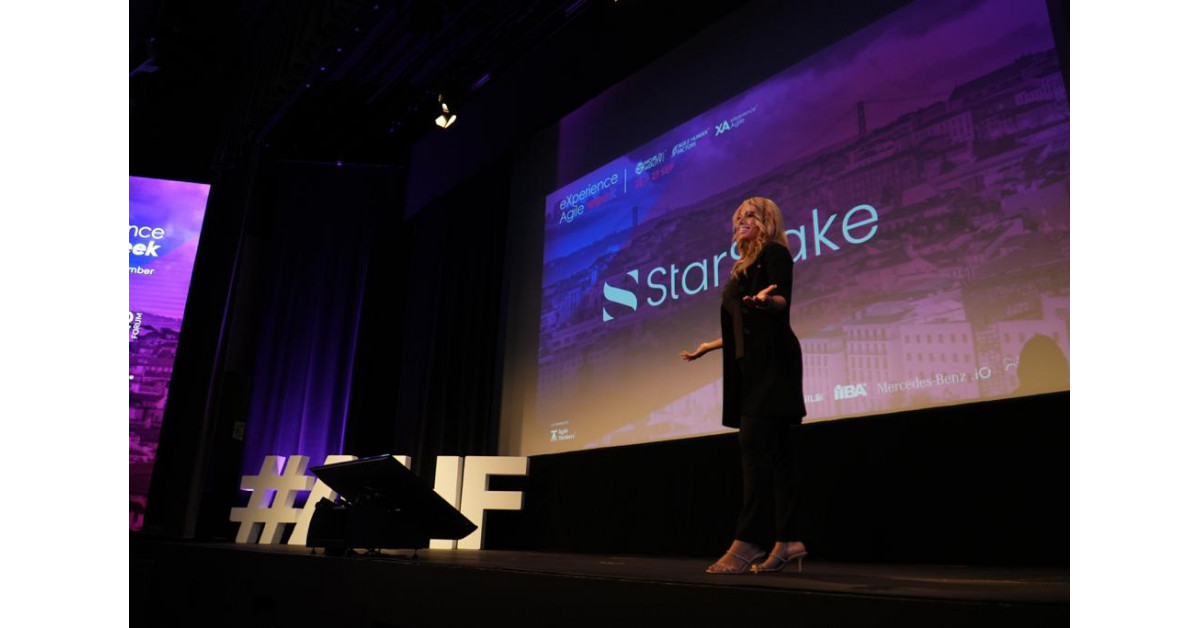
StarStake is ready to connect creators and their fans with a new Web3 marketing model. Now creators and fans can be fairly compensated for their value. In the traditional model of social media, traditional publishers, and record labels, creators are rarely fairly compensated for their work. Social media companies take much of the advertising revenue and only pay the creator what the company wants to pay. In reality, only the top tier of social media creators end up receiving adequate pay for the revenues their content generates. Traditional publishers and record labels take the revenues from the sales and only pay the creators a small percentage. StarStake’s economic model features no centralized company holding funds. It allows both users and creators to use the full feature-set of the platform and build all utility NFTs and personalized pages with no monthly costs. StarStake works off of a percentage of sales generated and only earns a percentage when a sale of a product on the platform occurs. Unlike other social media platforms, publishers, and record labels that only pay royalties, the StarStake economic model allows creators to keep more of their earnings.

“The big tech and centralized platforms out there have a monopoly on the content, privacy, and audiences. The creator floods their platform with high-value content with little in it for the creator,” says Hawk. “Also, what’s in it for the subscribers? They loyally support their favorite stars and associated brands, sharing their content, and yet never see any rewards of that success themselves. We’re here to change all that.” 

StarStake has its sights set on changing the public perception of NFTs from just collectible, digital art images to functional key cards and tokenized memberships that connect creators with their communities, allowing them to reward supporters in innovative ways. StarStake aims to deliver a range of tools to create NFTs for the ‘real world’. Now creators of all kinds: athletes, musicians, artists, podcasters, and influencers, as well as businesses and brands, can harness NFT technology as a new tool to market, advertise and interact with their communities. 

StarStake goes beyond creators having ‘subscribers’ to having ‘stakers’ who are independent members of the creator’s community on StarStake. The ‘stakers’ are stakeholders in the creator economy fostered by StarStake who can benefit in new ways. Creators use StarStake to bring exposure and support to projects in exchange for giving stakers exclusive access and rewards. Creators can also grant access to physical or digital products, all encoded into the smart contracts of the NFTs themselves. StarStake allows users to create with only minimal tech skills, without touching any code or needing to have any prior Web3 knowledge. StarStake allows both users and creators access with no monthly charges, making this a star-studded sandbox for creators of all ilk. 

“Roads? Where we’re going, we don’t need roads,” says CEO and cofounder Chris Hawk, quoting Doc’s famous line from Back To the Future. Instead of having a roadmap of their future plans, the team at StarStake has the platform already built, while using more of an Agile approach, listening to feedback in the market and responding to market needs.

“Many Web3 projects have roadmaps that, due to a range of factors, end up not leading ‘anywhere,'” says Hawk. “StarStake is for brands and creators to build independent Web3 economies and turn subscribers into StarStakers.”

For those new to all this NFT talk, gone are the days of ‘right click, save.’ Now to truly own an image, you have to be the owner of its contract address on the blockchain. Beyond collectible art, much of the true potential for utility of this technology has remained untapped.

“Our goal isn’t to make another digital platform or collection of art,” says Hawk. “There are enough of those out there. StarStake is harnessing the utility of NFT technology to build deeper, more meaningful connections between artists and their audiences in the real world.” 

At launch, StarStake will feature several new utility NFT technologies. NFT Bucks are StarStake’s in-app NFT currency that works as branded advertising and is used as a method of payment to make purchases. Access NFTs function like access cards that can be used to redeem products such as merchandise, event tickets or digital downloads. sNFTs or StarStake NFTs, can be used to allow holders to unlock rewards and special perks and privileges by supporting and sharing a brand, product or project. Imagine a tiered members club for the Web3 era, branded to the creator, where stakers are incentivized to spread the creator’s message to redeem a variety of exclusives. As a creator, they can build a number of differently priced packages complete with included Access NFTs. 

“Now true fans get rewarded as their favorite star’s economy grows and in turn, a rising star gets both deeper loyalty and exposure from their rewarded fans. No more empty ‘comment, like, and share’ with nothing in it for the community. It’s the leg-up so many creators need and the rewards fans have long deserved,” says Hawk. “Creators can now focus full-time on their passions instead of squeezing them between other obligations.”

StarStake’s advanced utility NFT technology and personalized pages aim to be no more complex than updating a few blog posts and involves selecting from dropdown options, flipping toggles, using sliders, writing text, and uploading photos and videos.

StarStake has gone to great lengths to ensure that users new to the Web3 and NFT space will enjoy an intuitive, frictionless environment. 

StarStake’s dashboard called StakeHub allows users to see their NFTs and track royalties and rewards paid to them. StarStake aims to give its users transparent access to all the tools they need to manage their own decentralized economy.

“We have some exciting features at launch that the team is very proud of,” says Hawk. “We’re excited to unveil new industry-first innovations coming up next for StarStake. Features that bridge the digital and physical world in meaningful ways and support growing brands.”

For holders of the Mission Series One NFTs, there will even be a Ready Player One-inspired mixed-media, interactive game and treasure hunt with hidden clues, ciphers, and keys to find. Players are encouraged to squad up to solve the riddles, promoting a culture of collaboration.

“The team here at StarStake has a shared love for storytelling. We’ve brought this to all aspects of the platform, giving it a space-themed lore and backstory. Taking inspiration from Iron Man, even our support assistant is a fully animated A.I. character named VELLE — your Vocally Enhanced Logistics Liaison for Everything,” says Hawk. “We don’t simply want people to use StarStake as a technology. We want them to become StarStakers and have an immersive, story-rich and community-driven experience.”

Look out for StarStake launching Q1 2023.

Media inquiries contact: contactus@starstake.com

Source: StarStake



Press Update For Studio CarryOnHarry

Find Holiday Deals Flights Attractions and Hotels !


Booking.com

Get Interviewed

Trulli

For Interviews At Studio CarryOnHarry Online Submission Form Click Here

Continue Reading
Click to comment

Leave a Reply

Your email address will not be published. Required fields are marked *

Editor's Choice

Inside Bollywood’s Silence: The Real Reason Dhurandhar Isn’t Being Celebrated

H Johal

Published

on

By

Inside Bollywood’s Silence: The Real Reason Dhurandhar Isn’t Being Celebrated


In a season where Bollywood films are loudly pushed, praised, and plastered across every digital corner, the curious silence surrounding Dhurandhar has raised more questions than answers. Social media has been buzzing with talk of nepotism, PR politics, and manipulated corporate bookings. But industry insiders tell a very different story—one that has less to do with individuals, and everything to do with genre power, studio territory, and the fragile ego structure of Bollywood’s biggest players.


At the heart of the storm lies a simple fact: Dhurandhar is a spy thriller. Not just any thriller—the genre Bollywood unofficially considers the exclusive territory of Yash Raj Films. For over a decade, YRF has aggressively built its “Spy Universe,” treating it like a cinematic fortress. The studio’s identity, revenue expectations, and long-term franchise planning are deeply tied to the success of this genre. So when War 2—their highly anticipated blockbuster—released earlier this year and struggled at the box office, it didn’t just bruise egos; it shook the foundation of the Spy Universe itself.


Against this backdrop, the arrival of Dhurandhar became a complication no one at YRF wanted. Insiders insist the silence around it isn’t about actor rivalries or PR games. It’s far more strategic. Publicly celebrating another studio’s spy thriller—especially one gaining genuine praise—would inevitably weaken the narrative YRF is trying to rebuild with its upcoming film Alpha. Acknowledging Dhurandhar would mean accepting a new, strong competitor in the very space YRF claims as its own.


There’s also the added complexity of personalities. Industry veterans quietly acknowledge the friction between “Gangu” and certain YRF loyalists. Some believe that any hype around Dhurandhar will reflect indirectly on Ranveer Singh, an actor who has been caught in the crosshairs of shifting alliances and subtle jabs from prominent names. Even recent comments by Filmfare’s Jitesh Pillai, insiders say, were not random—they were part of the larger mood within the establishment.


What is particularly telling is that this silence cannot be explained by corporate bookings or inflated footfall numbers. Brahmāstra pioneered and benefitted from such tactics, yet it received full-throated celebration from every camp. The absence of similar support for Dhurandhar points clearly to the genre politics at play.


Behind-the-scenes tea also hints at larger ripples: whispers of Deepika Padukone stepping away from an Ayan Mukerji–Ranbir Kapoor project have surfaced, possibly tied to the tense undercurrents created by this power struggle. Whether these developments are temporary or signal a deeper fissure will become clearer in the coming months.


For now, what remains undeniable is the industry’s discomfort. Dhurandhar is being quietly acknowledged as a good film—good enough to challenge the supremacy of the Spy Universe itself. And in a world where brand territories matter more than merit, silence has become a weapon.


As Bollywood inches toward the release of Alpha, expect the temperature to rise, alliances to shift, and narratives to be aggressively shaped. Because in this battle, it isn’t actors fighting for acclaim—it’s studios fighting for genre dominance.


Continue Reading

Editor's Choice

When the Stars Fade Away: Navigating the Tides of Celebrity, Legacy, and Loss

H Johal

Published

on

By

Studio CarryOnHarry Entertainment Desk

In the whirlwind world of fame, where the lights shine brightest, the departure of a star can leave a profound silence in its wake. It’s a reminder of the fleeting nature of celebrity and the indelible marks some leave on the fabric of our culture. Recently, the entertainment sphere was shaken by the tragic news of Shefali Jariwala’s untimely passing—a talent whose spark dimmed too soon. Amidst the bustling digital landscape where trends come and go, certain stories, like Shefali’s, grip us, urging a search for meaning amidst loss.

Shefali, fondly remembered as the “Kanta Laga Girl,” left a void not just among her close-knit circle but within the broader audience base that adored her. Her untimely demise at the age of 42 not only sparked an outcry of grief but a surge of online searches, seeking to understand the how and why. She had been a vibrant presence on screen, and her sudden departure led to a significant spike in Google searches, overtaking even major events. The cause, reportedly a consequence of a cardiac arrest, raised discussions on the pressures and the unseen struggles behind the glamorous facades of celebrity life.

In another corner of the digital universe, Anupam Kher experienced an unexpected jolt—not of loss, but of digital disappearance. Imagine waking up one day to find a whopping nine lakh followers vanished from your social media profile. In a world where online presence and follower count are often seen as measures of influence and credibility, such an occurrence is disconcerting. Kher’s direct query to Elon Musk brought light to the often invisible cleanup processes on social media platforms, aiming to purge bots and inactive accounts. Yet, it serves as a metaphor for the impermanence in the digital age—what is here today can be gone tomorrow, echoing the transient nature of fame itself.

As we navigate through a torrent of updates, from the surprising revelations post-Samantha Ruth Prabhu’s wedding to the heartwarming support for TV’s Sai Baba, Sudhir Dalvi, by the Shirdi Sansthan, it’s evident how stories of celebrities’ lives, their highs and lows, fascinate and unite us in conversation and speculation.

In the midst of these narratives, a peculiar phenomenon caught my attention—the barometer of public interest as reflected in Google’s most searched movies of 2025. From Bollywood outpacing Southern cinema to unexpected hits that captured the public’s imagination, it’s a fascinating glimpse into collective tastes and the ever-shifting sands of viewer preference.

But perhaps, the most human aspect amidst these tales is the community’s response to Sudhir Dalvi’s plight. Facing health challenges, the actor renowned for his portrayal of Sai Baba found relief not just in medical intervention but in the collective support of a community willing to uphold one of its beloved figures. It’s moments like these that reinforce the ties that bind us, transcending the screen to touch lives in tangible ways.


Continue Reading

Trending